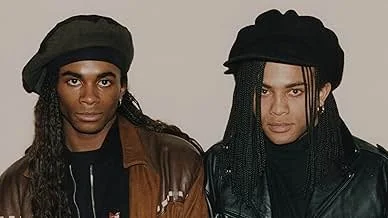
SUCCESS, DECEPTION, AND DOWNFALL: THE STORY OF MILLI VANILLI
Written by Lughano Mwangwegho
In the late 1980s, pop music was booming, and Milli Vanilli captured everyone’s attention with hits like “Girl You Know It’s True” and “Blame It on the Rain.” Their catchy tunes filled radios, making Rob Pilatus and Fab Morvan the cool faces of a musical phenomenon. But behind their glamorous image was a hidden truth: they didn’t sing on their own records.
Rob and Fab, from Germany and France respectively, met in Munich, united by their love of music and dance. Their chemistry caught German producer Frank Farian’s eye, leading to the creation of Milli Vanilli. Their first album, Girl You Know It’s True, sold millions and delivered five Top five singles in the U.S., but the reality was that other singers did the actual recording.
The truth began to emerge on July 21, 1989, during a live show when a technical error caused their track to skip. Rob, shocked, rushed offstage, and their carefully crafted image started to crumble. By 1990, the situation reached a breaking point when Farian revealed they had never sung on their albums. The fallout was swift: they lost their Grammy Award, contracts were canceled, and their credibility was shattered. Attempts to restart their careers as “Rob & Fab” failed, and Rob tragically died in 1998.
Milli Vanilli’s rise and fall serve as a cautionary tale about the dangers of valuing image over authenticity in music. Their story reminds us that you can’t build a house of cards and expect it to stand forever. Fame can be fleeting, and what goes up must come down.

GRISELDA BLANCO: THE COCAINE QUEEN
GRESELDA BLANCO: THE COCAINE QUEEN
Griselda Blanco is suspected of being involved in 40 murders across the U.S., including all three of her husbands. At its height, her network was pushing $80 million a month in cocaine.
Griselda Blanco’s life is a striking tale of ambition and violence, showcasing how she was willing to do whatever it took to rise to power. Born in poverty in Colombia in 1943, she became embroiled in crime from a young age and rose to prominence in cocaine trafficking during Miami's explosive drug trade in the 1970s and 1980s.
Her reign was marked by brutality, exemplified by a notorious incident on July 11, 1979, when her orders led to a daylight shooting at Dadeland Mall, killing a rival dealer and his bodyguard.
This act ignited Miami’s “cocaine wars” and demonstrated her ruthless nature—the perfect embodiment of the phrase “playing with fire.”
In another chilling episode in 1982, an assassination attempt on rival Jesus “Chucho” Castro tragically resulted in the death of his innocent two-year-old son, Johnny. Blanco reportedly greeted this tragedy with cold indifference, revealing the depths of her heartlessness and showing how she truly had "no bones about
Her violent tendencies extended to her personal life; her husband, Alberto Bravo, was murdered in 1975, with some sources suggesting she was involved in the act. It was clear that in her world, you had to be willing to “throw caution to the wind” to survive.
Blanco's criminal empire crumbled with her arrest in 1985, followed by prison time in the U.S. and deportation to Colombia in 2004. Over her career, she is said to have ordered countless murders, showcasing her ruthlessness.
Ultimately, on September 3, 2012, Blanco was assassinated in Medellín—a grim echo of the chaos she once orchestrated. Her life is a paradox: a woman who dominated a man's world, yet fell victim to the very violence she perpetuated, illustrating the age-old adage that what goes around comes around.
Photograph by GDA/El Tiempo/Colombia/AP
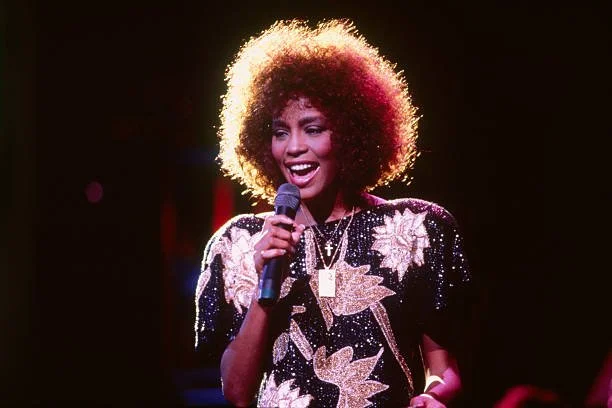
WHITNEY HOUSTON: TALENT, TRIUMPH, AND TRAGEDY
Whitney Elizabeth Houston was not just a global superstar; she was a woman whose extraordinary gift brought joy, comfort, and inspiration to millions around the world. Born on August 9, 1963, in Newark, New Jersey, Whitney grew up surrounded by music. Singing in church from a young age, she learned to pour emotion into every note, shaping a voice rooted in gospel but capable of crossing effortlessly into pop and R&B. Long before fame found her, it was clear that her voice was something rare — powerful, pure, and deeply expressive — earning her the lasting title, The Voice.
When Whitney signed with Arista Records at just 19 years old, her life changed almost overnight. Her debut album Whitney Houston (1985) introduced the world to a once-in-a-generation talent, producing three number-one hits and launching her into international stardom. Success continued with her 1987 album Whitney, making her the first woman to debut at number one on the Billboard charts. Behind the awards and records, however, was a young woman adjusting to immense pressure, sudden fame, and the expectations placed upon her brilliance.
Whitney’s talent extended beyond music. In 1992, she starred in The Bodyguard, a film that became a cultural phenomenon. Her performance of I Will Always Love You was more than a song — it was a moment that touched hearts across generations and cultures. The song became one of the best-selling singles in history, cementing her place not only as a singer, but as a defining voice of her era.
Yet Whitney’s story is also one of struggle. As her fame grew, so did the weight of personal challenges. Her battles with substance abuse and the relentless glare of public scrutiny gradually overshadowed her artistry. Despite her efforts to reclaim her voice and career, including her 2009 comeback album I Look to You, the difficulties she faced remained deeply rooted. Still, even during these challenging years, her talent never disappeared — it flickered, vulnerable but undeniable.
On February 11, 2012, the world was stunned by Whitney Houston’s sudden death. She was found unresponsive in her hotel room at the Beverly Hilton in Beverly Hills, just one day before the Grammy Awards. At only 48 years old, her passing was ruled an accidental drowning, with heart disease and long-term substance use contributing factors. The timing and circumstances of her death added to the heartbreak, leaving fans mourning not only what was lost, but what might have been.
In the days that followed, Whitney’s music filled the airwaves once again. Songs like I Will Always Love You returned to the charts, reminding the world of the power and beauty she had shared. Her voice, once heard everywhere, felt suddenly irreplaceable.
Whitney Houston’s legacy lives on far beyond sales figures and awards. She remains one of the best-selling artists of all time and a trailblazer who broke barriers for Black artists in mainstream pop music. Her influence can be heard in countless singers who followed, many of whom cite her as their greatest inspiration. Honors such as her induction into the Rock and Roll Hall of Fame and multiple Grammy Hall of Fame recognitions reflect the depth of her impact.
More than anything, Whitney is remembered for the way her voice made people feel — how it lifted spirits, expressed heartbreak, and spoke to the human experience. Through documentaries, biopics, and tributes, her story continues to be told not only as one of fame and tragedy, but of immense talent, vulnerability, and lasting beauty. Whitney Houston may be gone, but her voice remains timeless, echoing across generations as one of the greatest gifts music has ever known.

Trump will not deport Prince Harry, says ‘he has enough problems at home’
No deportation for the Prince

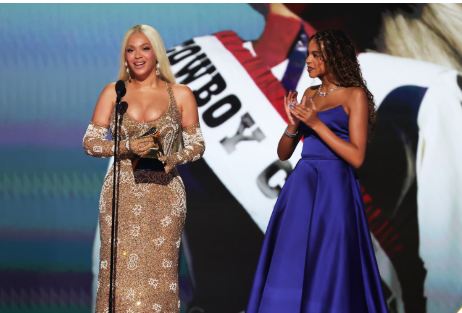
Beyonce wins top Grammys prize for first time with 'Cowboy Carter'
First Grammy for Album of the year